Multi-lane Websites for Teams on Webflow
The landscape is changing—not just what websites need to do, but how we run them.
Modern marketing sites require developers, marketers, content managers, and AI agents all working cohesively to drive traffic, and, in turn, revenue. We build systems in Webflow from the ground up to support this new, multi-lane way of working.
The results speak for themselves

50%
Increase in organic clicks in the first 3 months
2
Brand redesigns to better support evolving positioning
"We worked with BrightSite on two major website migrations from WordPress to Webflow, and honestly, it was night and day compared to our typical agency experiences."
—Catherine Blair-Timothy, Website Experience | Workleap
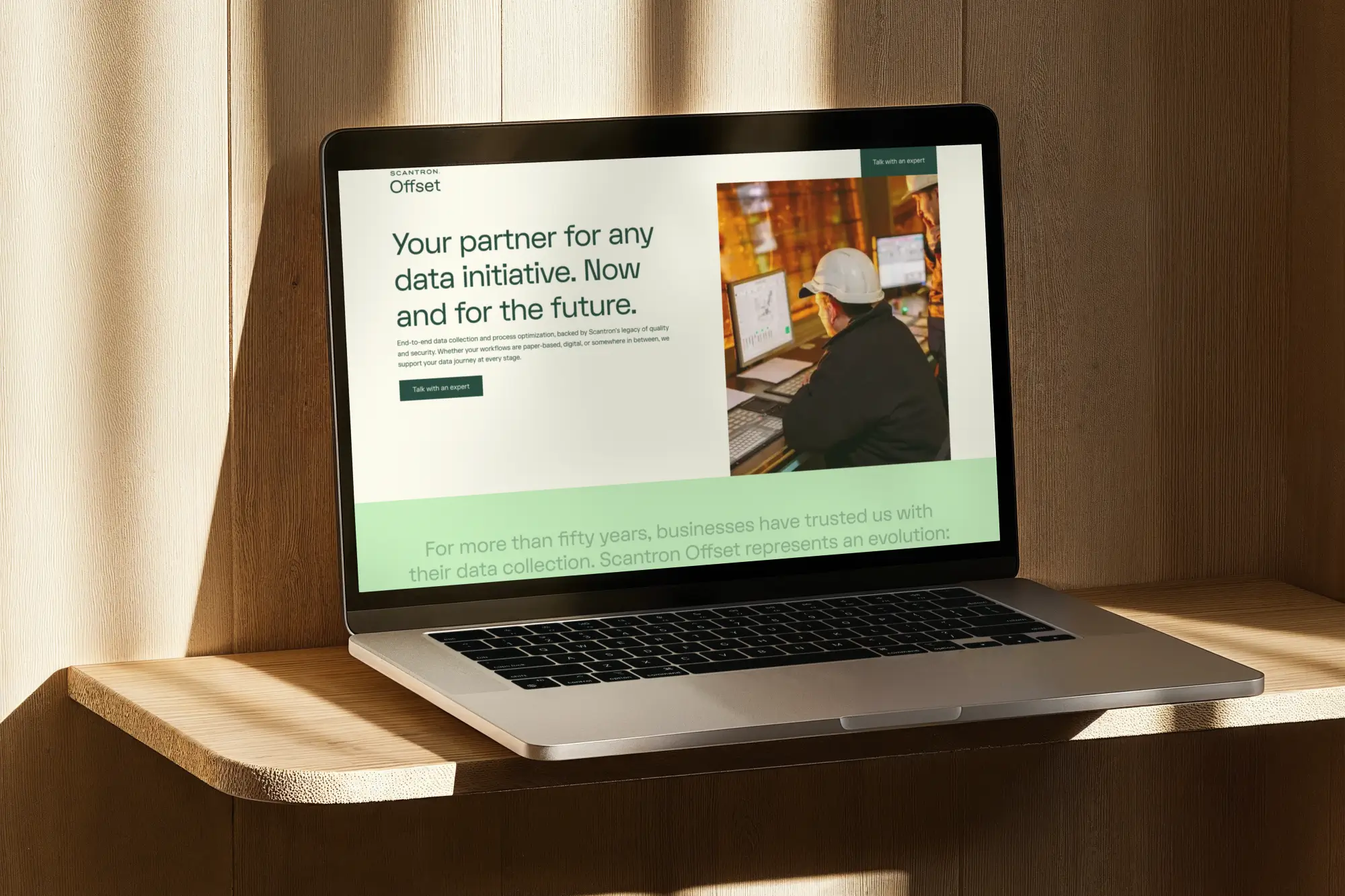
Case Study
Scantron
Scantron's marketing team needed to ship landing pages in hours, not weeks, without letting the brand drift. A single-page Webflow pilot proved they could, and ended with their entire site migrating off WordPress.
Read Case Study

Case Study
PulsePoint
PulsePoint needed a robust content library built for users, and to signal intent and expertise to LLMs. We built them a library their team could own, and one that surfaced the right content at the right time to users.
Read Case Study

Case Study
Netradyne
From a single-market site to 12 locales across 6 international markets, we rebuilt Netradyne's web infrastructure to match their global ambitions, migrating 600+ CMS items and giving their marketing team full control.
Read Case Study

Case Study
Workleap
Restructured the site architecture and trained the marketing team, resulting in full team autonomy, 50% organic traffic growth, and confident self-service execution across campaigns, redesigns, and acquisitions.
Read Case Study

Qualified
Qualified (recently acquired by SalesForce) needed extra horsepower to ship out updates to the home page, and additional pages to their website. BrightSite filled in the gap between their internal team's capacity, and the workload that needed done.

Kathairos
Kathairos needed a Webflow partner who could operate as an extension of their marketing team. We handle net-new features and scalable architecture while training their team to ship updates independently.
Systems thinking applied to the entire website ecosystem.
A great technical foundation is just the start. The systems we build support the governance, training, and MCP workflows you need to do your best work.
- Bespoke MCP skills baked right into your project
- Scalable framework that gives context to people and agents
- Goverance that helps multiple roles and skill sets get their work done quickly and safely
- Our train-along-side methodology
- Web strategy to help you make the most of additional capablility
- Comprehensive library of AI enabled workflows built from across our projects.
